New Bank Transaction Limits from April 1, 2026: Key Cash Rules Every Taxpayer Must Know
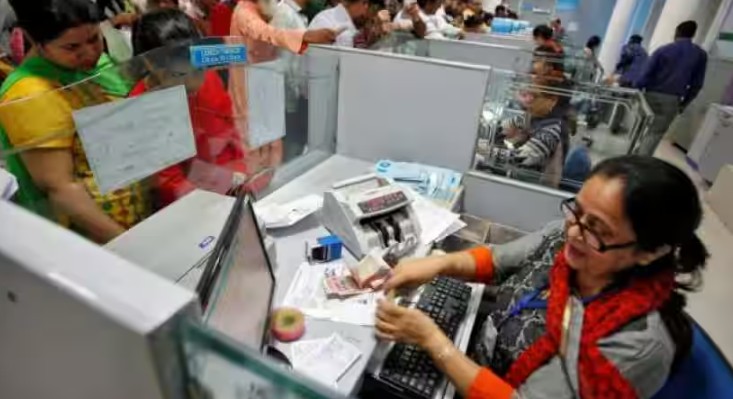
With the implementation of the new Income Tax Rules from April 1, 2026, significant changes have been introduced in the reporting and monitoring of bank transactions to enhance financial transparency and curb tax evasion. One of the key updates is that cash deposits or withdrawals aggregating to ₹10 lakh or more in a financial year across one or more bank accounts will require mandatory PAN reporting, replacing earlier fragmented thresholds. Additionally, banks are required to report high-value transactions such as cash deposits exceeding ₹10 lakh in savings accounts and ₹50 lakh in current accounts under the Statement of Financial Transactions (SFT) framework. Existing restrictions like the ₹2 lakh cap on cash receipts under Section 269ST continue to apply, along with TDS provisions on large cash withdrawals beyond specified limits. These measures are part of a broader shift under the new Income Tax framework to tighten compliance, promote digital transactions, and ensure better tracking of high-value financial activities while giving some flexibility through aggregated annual thresholds.